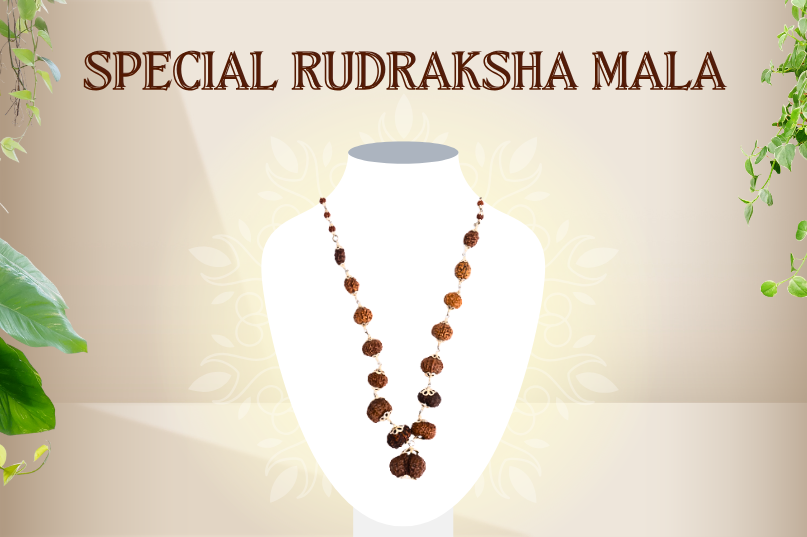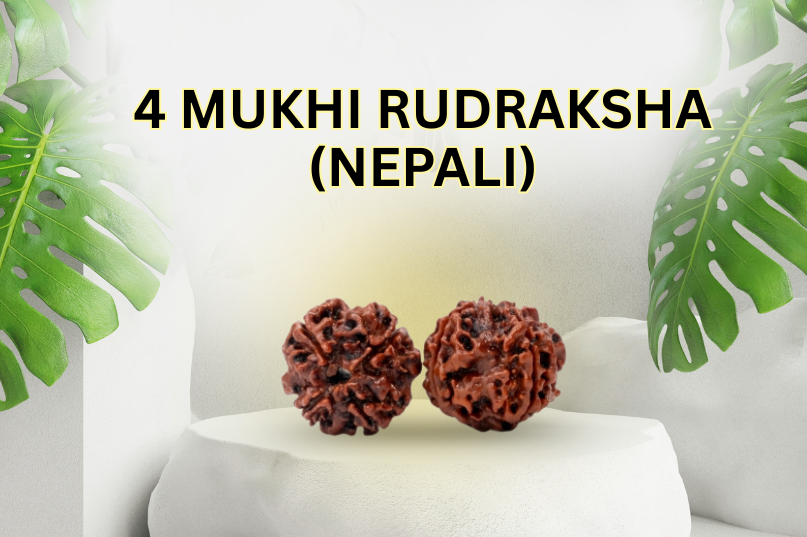
If you’ve ever visited a Shiva temple, attended a spiritual gathering, or watched the Kanwar Yatra during Shravan, you’ve likely noticed many Sadhus and saints wearing Rudraksha Malas around their necks, wrists, or arms. This sacred bead has long been associated with Lord Shiva, and for ascetics, it represents far more than a simple ornament.
Why do Sadhus and saints wear Rudraksha? Is it just a tradition, or does it hold deeper spiritual meaning?
Let’s explore the traditional significance of Rudraksha in the lives of Shiva devotees.
Note: The meanings and benefits discussed in this article are based on Hindu religious and spiritual traditions. They are matters of faith and are not scientifically proven guarantees.
What Is Rudraksha?
Rudraksha is the seed of trees from the Elaeocarpus genus and is traditionally regarded as sacred in Hinduism. According to Hindu scriptures and legends, Rudraksha is closely associated with Lord Shiva, making it an important symbol of devotion for many spiritual seekers.
Today, Rudraksha is commonly worn as:
- Rudraksha Mala
- Rudraksha Bracelet
- Rudraksha Pendant
- Japa Mala for mantra chanting
Who Are Sadhus and Saints?
Sadhus and saints are individuals who dedicate their lives to spiritual practice, meditation, prayer, and self-realization. Many choose a simple lifestyle focused on devotion rather than material possessions.
Their daily routine often includes:
- Meditation
- Mantra chanting (Japa)
- Yoga
- Temple worship
- Scriptural study
- Pilgrimages
- Service and spiritual guidance
For many of them, Rudraksha becomes a meaningful part of this spiritual journey.
Why Do Sadhus Wear Rudraksha?
- A Symbol of Devotion to Lord Shiva
Rudraksha is traditionally associated with Lord Shiva. Wearing it expresses devotion and reminds practitioners to remain connected to their spiritual path.
For many Sadhus, Rudraksha is not worn for appearance but as a symbol of faith and commitment.
- To Support Meditation and Japa
Many Sadhus use a 108-bead Rudraksha Mala for mantra chanting.
One of the most commonly recited mantras is:
ॐ नमः शिवाय
Om Namah Shivaya
Moving from bead to bead helps practitioners focus on the mantra instead of counting repetitions, supporting a more attentive meditation practice.
- As a Reminder of Simplicity
The lifestyle of many Sadhus emphasizes simplicity and detachment.
Rudraksha reflects these values by serving as a constant reminder to:
- Live with humility
- Reduce attachment to material possessions
- Focus on inner growth
- Stay committed to spiritual discipline
- To Maintain Spiritual Discipline
Wearing Rudraksha can remind practitioners to remain consistent with:
- Daily meditation
- Prayer
- Mantra chanting
- Self-reflection
- Ethical living
For many Sadhus, the bead symbolizes dedication to these lifelong practices.
Why Is Rudraksha Closely Connected to Shiva?
According to Hindu tradition, Rudraksha is deeply connected with Lord Shiva. Because of this sacred association, Shiva devotees often wear Rudraksha during:
- Shivling Puja
- Meditation
- Japa
- Temple visits
- Religious festivals like Mahashivratri and Shravan
This connection has made Rudraksha one of the most recognizable symbols of Shiva devotion.
Is Rudraksha Only for Sadhus?
No. Although Sadhus and saints are well known for wearing Rudraksha, it is not limited to ascetics. Many householders, students, professionals, and devotees wear Rudraksha as part of their personal spiritual practice.
People may wear Rudraksha for:
- Meditation
- Prayer
- Spiritual devotion
- Mantra chanting
- Personal inspiration
Which Rudraksha Do Sadhus Traditionally Wear?
There is no single Rudraksha that every Sadhu wears. However, 5 Mukhi Rudraksha is one of the most commonly used varieties for general spiritual practice and meditation.
Some Sadhus may also wear other Mukhi Rudraksha according to their lineage, traditions, or spiritual practices. These choices vary and are often guided by the customs of their spiritual order rather than a universal rule.
Why Do Some Sadhus Wear Many Rudraksha Malas?
You may notice some Sadhus wearing multiple Rudraksha Malas.
The reasons can vary and may include:
- Following the traditions of their spiritual lineage
- Using different Malas for different mantras
- Personal devotional practices
- Symbolic expression of their commitment to spiritual life
It should not be assumed that wearing more Rudraksha automatically leads to greater spiritual attainment.
What Can We Learn From Sadhus?
Even if you don’t live the life of a Sadhu, their practices offer valuable lessons:
- Consistency: Regular spiritual practice matters more than occasional effort.
- Devotion: Faith grows through sincere practice and reflection.
- Mindfulness: Taking time each day to pause and meditate can bring greater awareness.
- Simplicity: A meaningful life often comes from focusing on what truly matters.
- Compassion: Kindness and service are central values in many spiritual traditions.
Can You Wear Rudraksha Like a Sadhu?
Yes. Many devotees wear Rudraksha as part of their own spiritual practice.
A simple daily routine might include:
- Wear your Rudraksha Mala or Bracelet.
- Spend 5–10 minutes in meditation.
- Chant “Om Namah Shivaya.”
- Practice gratitude.
- Carry the values of mindfulness and compassion throughout the day.
You don’t need to adopt the lifestyle of a Sadhu to benefit from a regular spiritual routine.
Conclusion:
Sadhus and saints wear Rudraksha because it is a deeply meaningful symbol of devotion, meditation, discipline, and connection with Lord Shiva.
For them, Rudraksha is not a fashion accessory but a reminder to live with awareness, humility, and spiritual purpose. Whether you wear a 5 Mukhi Rudraksha, use a Rudraksha Mala for Japa, or simply keep one in your prayer space, its greatest value lies in the intention and devotion you bring to your practice.
Let Rudraksha remind you to slow down, stay mindful, and walk your spiritual path with sincerity.
Har Har Mahadev!