Why Rudraksha Is Special in Sawan?
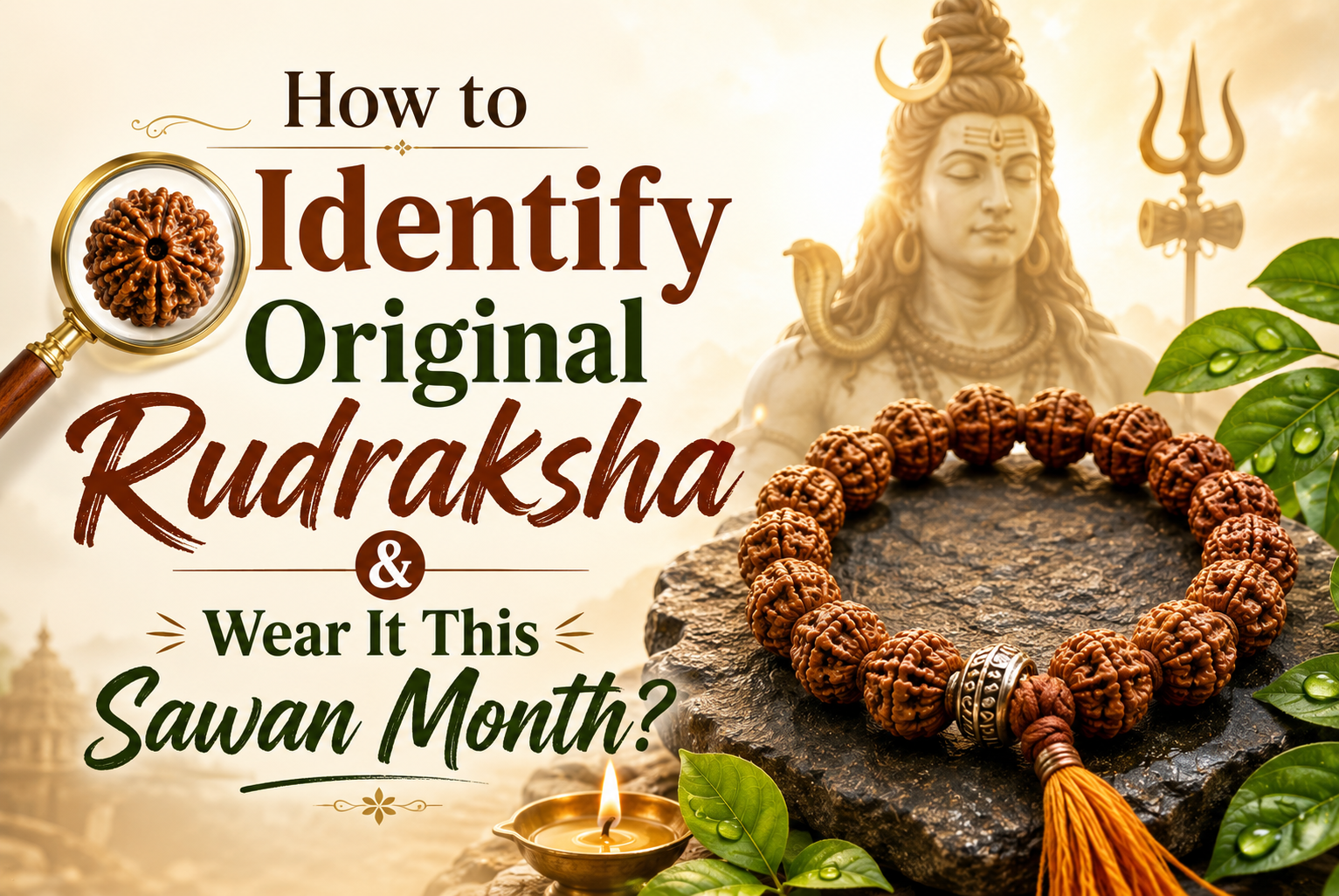
Sawan, also known as Shravan, is one of the most spiritually significant months for devotees of Lord Shiva. The entire month is considered auspicious for prayers, meditation, fasting, and devotional practices dedicated to Mahadev. Among the many sacred items associated with Lord Shiva, Rudraksha holds a special place. Rudraksha beads are traditionally believed to carry spiritual significance and are commonly worn as malas, bracelets, or individual beads. However, with the growing popularity of Rudraksha, it is equally important to know how to identify an original and naturally formed Rudraksha before purchasing or wearing one. If you are planning to wear Rudraksha during Sawan, this guide will help you understand the basic signs of authenticity, how to choose the right bead, and the traditional way to wear it.
What Is Rudraksha?
Rudraksha is the seed of the Elaeocarpus ganitrus tree, which is primarily found in regions of Nepal, India, Indonesia, and parts of Southeast Asia. The word “Rudraksha” is traditionally associated with Lord Shiva. In Sanskrit, “Rudra” refers to Shiva, while “Aksha” is commonly interpreted as eye or tear. According to traditional beliefs, Rudraksha originated from the divine tears of Lord Shiva. Each Rudraksha bead naturally contains divisions or lines known as Mukhi. The number of Mukhi generally determines the type of Rudraksha—for example, 1 Mukhi, 5 Mukhi, 7 Mukhi, 9 Mukhi, and so on. Among these, the 5 Mukhi Rudraksha is one of the most commonly worn varieties.
How to Identify an Original Rudraksha?
Identifying an authentic Rudraksha requires careful observation. While traditional tests are often discussed, no single home test can guarantee authenticity with complete certainty. For valuable or rare Rudraksha, professional laboratory testing and purchasing from a trusted source are the safest approaches.
Here are some important things to check:
- Observe the Natural Mukhi Lines
The most important identifying feature of a Rudraksha is its Mukhi or natural face divisions.
These lines should:
- Run naturally from one end of the bead to the other
- Appear continuous and well-defined
- Form natural compartments on the surface
- Not look artificially carved or engraved
Be cautious if the Mukhi lines appear unnaturally shallow, unevenly cut, or artificially engraved.
- Check the Natural Surface
A genuine Rudraksha usually has a naturally textured and rugged appearance. Its surface may contain small natural ridges, grooves, and irregularities.
Do not expect every original Rudraksha to look perfectly round or identical. Natural Rudraksha beads can vary in:
- Shape
- Size
- Colour
- Texture
- Number of natural grooves
In fact, slight natural imperfections can be a normal characteristic of a genuine seed.
- Look for Natural Openings
A Rudraksha bead has natural openings or pores along its structure. When examining a bead, observe whether the surface and Mukhi divisions appear naturally formed. However, avoid assuming that a bead is fake simply because it does not look perfectly symmetrical. Natural Rudraksha can have variations in structure.
- The Copper Coin Test: A Popular Traditional Belief
You may have heard about the copper coin test, where a Rudraksha is placed between two copper coins to see whether it rotates or moves. This test is often mentioned in traditional Rudraksha discussions, but it should not be considered a scientifically reliable method of authentication. Movement can be influenced by the bead’s shape, friction, pressure, and the way the test is performed. Therefore, never rely solely on the copper coin test when purchasing an expensive or rare Rudraksha.
- The Water Test: Don’t Rely on It Alone
The water test is another commonly discussed method. Some people believe that an authentic Rudraksha should sink in water. However, this is not a definitive authenticity test. A genuine Rudraksha may float due to natural differences in density, dryness, internal structure, or air spaces. Similarly, an artificial or altered bead may also sink. So, the water test should never be treated as proof that a Rudraksha is original.
- Check for Artificial Carving or Joining
One of the most important things to watch for is an artificially created Rudraksha.
Some fake beads may be:
- Carved to create Mukhi lines
- Made from wood or other materials
- Created by joining multiple pieces
- Modified to imitate rare Rudraksha varieties
- Coloured or polished to appear older
Carefully examine the bead under good lighting. If you are purchasing a rare or expensive Rudraksha, professional examination is highly recommended.
- Buy from a Trusted Seller
The safest way to purchase an authentic Rudraksha is to choose a reputable and transparent seller.
Before buying, ask about:
- Source of the Rudraksha
- Origin or variety
- Authenticity testing
- Certification, if applicable
- Return or exchange policy
- Seller’s experience and reputation
For premium or rare Rudraksha, an authenticity certificate from a credible testing laboratory can provide additional confidence.
Which Rudraksha Can You Wear During Sawan?
There are many types of Rudraksha, and each Mukhi is traditionally associated with different spiritual qualities and deities.
- 5 Mukhi Rudraksha: One of the most popular choices for daily wear. It is traditionally associated with spiritual growth, peace, and positive energy.
- 7 Mukhi Rudraksha: Traditionally associated with prosperity, stability, and abundance.
- 9 Mukhi Rudraksha: Often associated with Goddess Durga and traditionally believed to represent courage and inner strength.
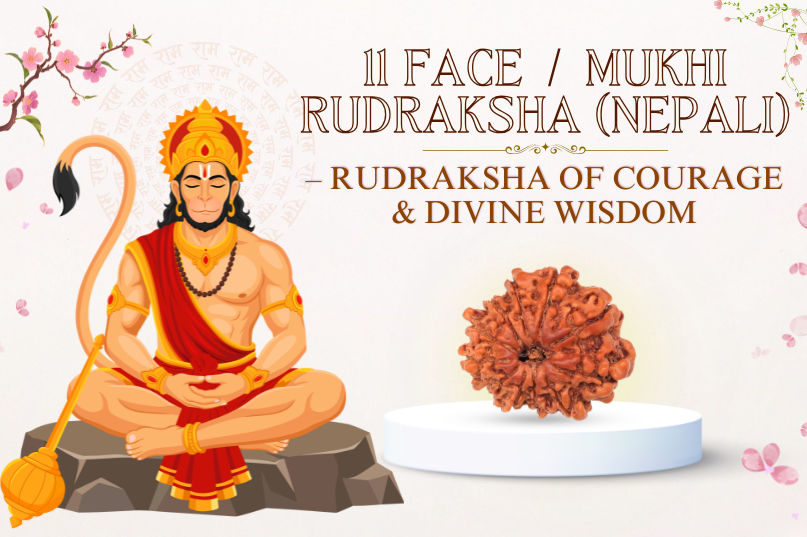
- 11 Mukhi Rudraksha: Traditionally connected with Lord Hanuman and associated with courage, confidence, and spiritual strength.
- 14 Mukhi Rudraksha: Considered a highly significant Rudraksha in traditional practices and associated with intuition and spiritual awareness.
Important: The suitability of a particular Mukhi can vary according to individual beliefs and spiritual traditions. If you are choosing Rudraksha based on astrology or your birth chart, consulting a knowledgeable practitioner may help you select one according to your personal needs.
How to Wear Rudraksha in Sawan?
If you wish to begin wearing Rudraksha during Sawan, you can follow a simple traditional process.
- Step 1: Choose a Clean and Authentic Rudraksha Select a Rudraksha that is appropriate for your purpose and ensure it comes from a trustworthy source.
- Step 2: Clean the Bead Gently clean the Rudraksha with clean water. Avoid harsh chemicals, soaps, or detergents. Some traditional practices also involve cleansing the bead with Panchamrit or other sacred substances. If you follow such a practice, ensure the bead is dried properly afterward.
- Step 3: Perform Your Prayer Choose a peaceful and clean place. Place the Rudraksha before an image or idol of Lord Shiva and offer your prayers. You may chant: “Om Namah Shivaya” You can repeat the mantra according to your personal spiritual practice.
- Step 4: Wear It With Devotion Rudraksha can traditionally be worn as:
- A Mala
- A Bracelet
- A Pendant
- A Single Rudraksha
Many devotees prefer to begin wearing it on an auspicious day during Sawan, especially after taking a bath and completing their morning prayers.
Rudraksha Care Tips:
To maintain your Rudraksha properly:
- Keep it clean and dry.
- Avoid prolonged exposure to water.
- Do not use harsh chemicals or perfumes directly on it.
- Store it in a clean and dry place when not wearing it.
- Handle rare or delicate Rudraksha carefully.
- Check the thread or metal setting regularly if wearing it as a bracelet or Mala.
Over time, natural Rudraksha may change in colour. This can happen due to exposure to oils, moisture, handling, and environmental conditions.
Why Sawan Is a Meaningful Time to Start Wearing Rudraksha?
Sawan is traditionally considered a deeply sacred period for devotees of Lord Shiva. It is a time when many people focus on prayer, meditation, self-discipline, and spiritual practices.
Wearing Rudraksha during this month can become a meaningful reminder to:
- Stay connected with your spiritual practice
- Practice mindfulness and meditation
- Chant “Om Namah Shivaya”
- Maintain positive thoughts
- Cultivate inner peace and devotion
Rather than viewing Rudraksha only as a spiritual accessory, many devotees choose to wear it as a symbol of their connection with Lord Shiva and their personal spiritual journey.
Conclusion:
Rudraksha has been respected for centuries as a sacred seed connected with Lord Shiva and spiritual traditions. During the holy month of Sawan, many devotees choose to wear Rudraksha as part of their prayers and devotional practices.
If you are planning to buy one this Sawan, remember that authenticity should always come first. Don’t rely on popular home tests like the water test or copper coin test alone. Instead, carefully examine the natural structure, purchase from a trusted source, and seek professional authentication for rare or high-value Rudraksha.
This Sawan, let your Rudraksha be more than something you wear—let it serve as a reminder of faith, devotion, mindfulness, and your spiritual connection with Mahadev.
Har Har Mahadev!