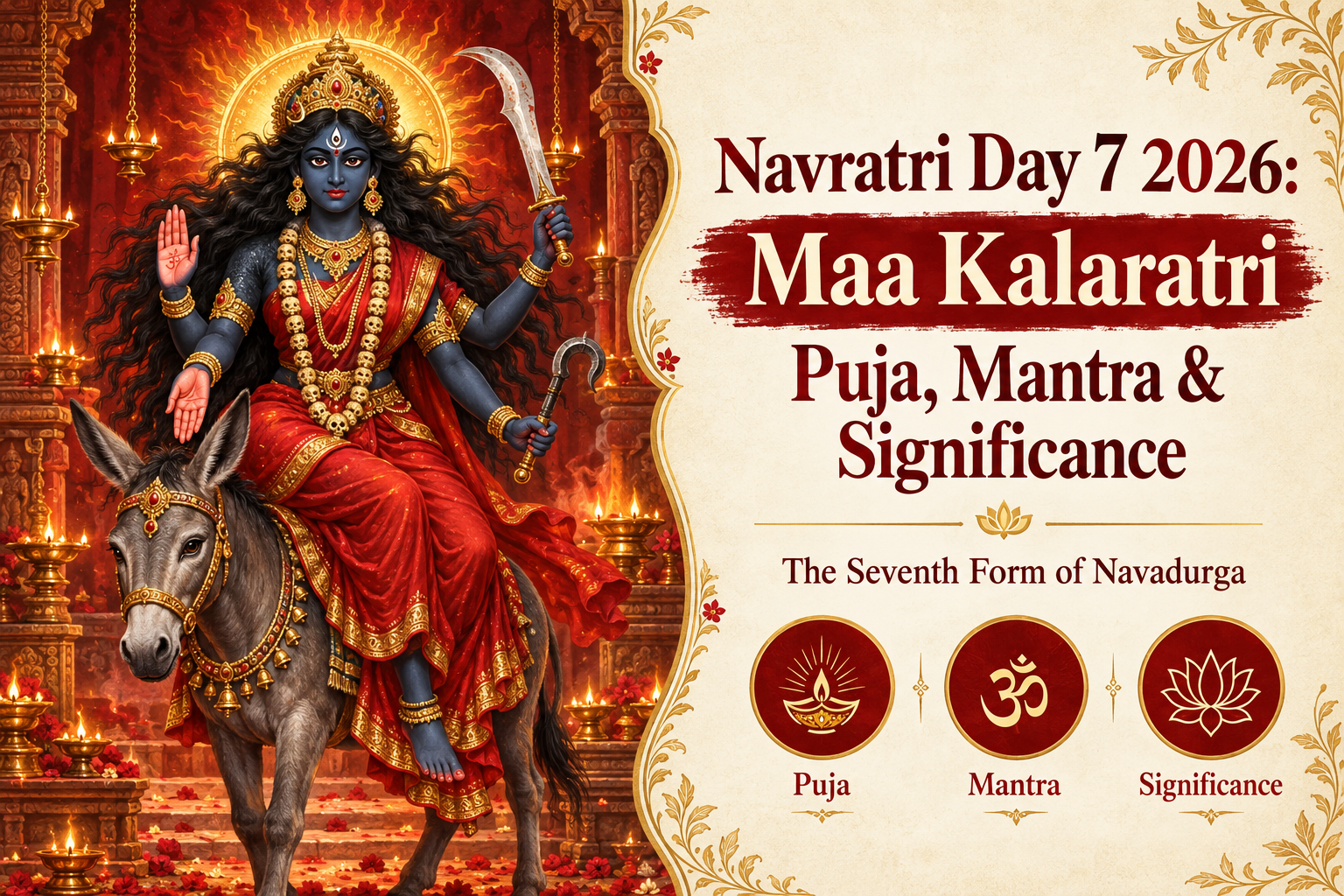
Navratri Day 7 is dedicated to Maa Kalaratri, the seventh form of Navadurga. Although her appearance is fierce and powerful, she is traditionally revered as a protective manifestation of Maa Durga who represents courage, strength, the destruction of negativity, and the triumph of light over darkness.
Her worship on the seventh day of Navratri holds deep spiritual significance for devotees seeking inner strength, protection, and fearlessness.
Who Is Maa Kalaratri?
Maa Kalaratri is the seventh form of Navadurga and is worshipped on the seventh day of Navratri. The name Kalaratri is commonly understood through the Sanskrit words Kala and Ratri, associated with time/darkness and night. Her name and fierce form symbolize the powerful aspect of Shakti that confronts darkness and destructive forces.
Unlike the gentle appearance associated with some forms of Maa Durga, Maa Kalaratri is depicted in a dramatic and formidable form. Her fierce appearance represents divine power rather than fear.
Why Is Maa Kalaratri Worshipped on Day 7?
Navratri presents nine manifestations of Maa Durga across nine days. Maa Kalaratri appears on Day 7 as a powerful representation of fearlessness and transformation.
Devotees traditionally worship her while praying for:
- Protection and courage
- Strength to overcome obstacles
- Freedom from fear
- Spiritual transformation
- Devotion and inner confidence
- The strength to face difficult circumstances
These are traditional spiritual beliefs and should not be understood as scientifically proven effects.
The Fierce Form of Maa Kalaratri
Maa Kalaratri is traditionally depicted with a dark complexion, dishevelled hair, three eyes, and a powerful expression.
She is commonly shown with four arms.
Her hands may hold:
- A sword
- An iron weapon or vajra-like implement
- A blessing gesture
- A protective gesture
She is traditionally depicted riding a donkey.
Her striking appearance is not meant simply to frighten devotees. Instead, it represents the fierce power of the Goddess that destroys destructive forces and removes fear.
What Does Maa Kalaratri Symbolize?
Darkness and Transformation
Her dark appearance is traditionally associated with the mystery of darkness and the powerful forces of transformation.
It can also remind devotees that difficult phases of life can become opportunities for inner growth.
Fearlessness
Maa Kalaratri’s fierce form symbolizes the courage to confront fear rather than run away from it.
Destruction of Negativity
Her warrior aspect represents the destruction of forces that obstruct spiritual progress and inner harmony.
Victory of Light Over Darkness
Her worship carries the broader Navratri message that divine strength can overcome darkness and destructive tendencies.
Maa Kalaratri and the Meaning of Her Name
The name Kalaratri has several traditional interpretations. Kala may refer to time, while Ratri means night. The name can therefore evoke the imagery of the profound darkness of night and the Goddess’s power within it. Her form reminds devotees that darkness itself does not have to be feared when one has faith, courage, and spiritual awareness. Interpretations of the name and symbolism may vary across Sanskrit and devotional traditions.
Maa Kalaratri Puja on Navratri Day 7
Devotees may observe a simple devotional puja according to their family or regional tradition.
- Clean the Puja Space
Begin by cleaning the place of worship and creating a peaceful environment. - Light a Diya
Light a diya as part of the traditional worship ritual. - Offer Flowers
Offer flowers according to your family or temple tradition. - Offer Naivedya
Devotees may offer fruits, sweets, or other traditional offerings. Some traditions associate jaggery with Maa Kalaratri’s worship. - Chant the Mantra
Recite Maa Kalaratri’s mantra with devotion and concentration. - Pray for Courage and Guidance
Use the seventh day of Navratri as an opportunity to pray for fearlessness, clarity, strength, and spiritual growth.
Maa Kalaratri Mantra
A commonly recited mantra is:
ॐ देवी कालरात्र्यै नमः। Om Devi Kalaratryai Namah.
Devotees may chant this mantra during puja, meditation, or personal prayer.
Maa Kalaratri Dhyan Mantra
A traditional dhyana verse is also recited in some devotional practices:
एकवेणी जपाकर्णपूरा नग्ना खरास्थिता।
लम्बोष्ठी कर्णिकाकर्णी तैलाभ्यक्तशरीरिणी॥
वामपादोल्लसल्लोहलताकण्टकभूषणा।
वर्धनमूर्धध्वजा कृष्णा कालरात्रिर्भयङ्करी॥
The exact recitation and ritual sequence can vary according to the tradition followed by the devotee.
What Is the Spiritual Significance of Maa Kalaratri?
Maa Kalaratri’s worship goes beyond her fierce appearance.
Overcoming Fear
Her form can inspire devotees to face their fears with courage rather than allowing fear to control their actions.
Accepting Transformation
Life naturally includes periods of uncertainty and change. Her symbolism encourages devotees to approach transformation with faith.
Finding Strength in Difficult Times
Her fierce energy represents the inner strength needed to face challenging circumstances.
Moving From Darkness Toward Awareness
Her association with darkness can be understood as a reminder that difficult phases can eventually lead to greater awareness and understanding.
Why Does Maa Kalaratri Look Fierce?
Maa Kalaratri’s fierce appearance has deep symbolic significance. Her dark complexion, wild hair, powerful expression, weapons, and donkey vehicle create an image that contrasts with gentler forms of the Goddess.
This fierce imagery represents the idea that divine power can take different forms depending on what must be confronted.
The form is therefore not simply about destruction—it also represents protection, courage, transformation, and the removal of fear.
Maa Kalaratri and the Navadurga Journey
The Navadurga sequence can be viewed as a spiritual journey through different expressions of Shakti:
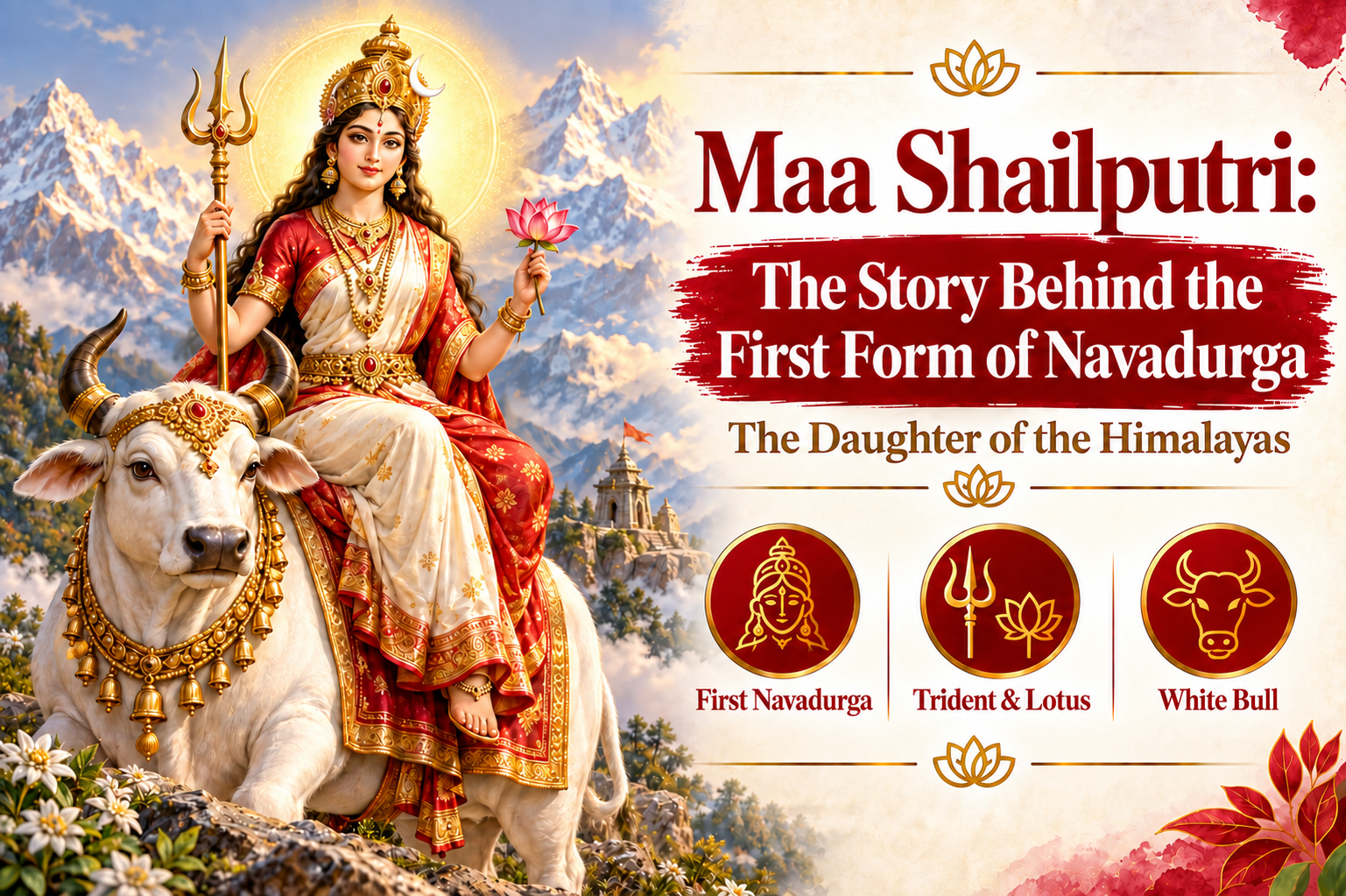
- Maa Shailputri – strength and stability
- Maa Brahmacharini – devotion and discipline
- Maa Chandraghanta – courage and balance
- Maa Kushmanda – creative energy and vitality
- Maa Skandamata – motherhood and compassion
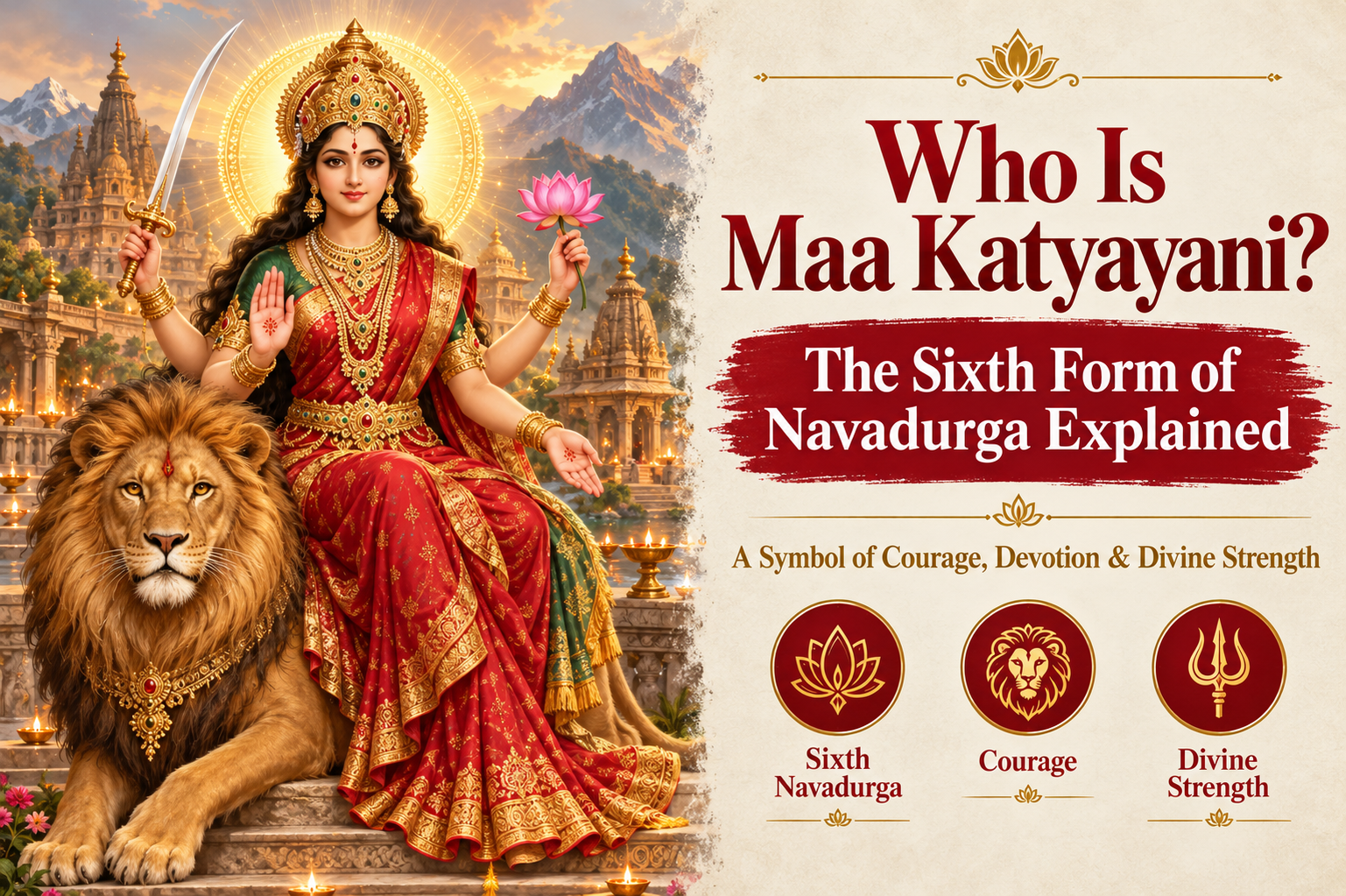
- Maa Katyayani – courage and divine power
- Maa Kalaratri – fearlessness and transformation
Day 7 brings devotees face-to-face with the fierce aspect of Shakti and encourages deeper reflection on fear, courage, and spiritual resilience.
What Can Devotees Learn From Maa Kalaratri?
Face Fear With Courage
Fear is a natural human experience. Maa Kalaratri’s symbolism encourages devotees to confront challenges with greater courage.
Strength Can Have Many Forms
Strength does not always appear gentle. Sometimes it requires firmness, courage, and decisive action.
Difficult Phases Can Bring Growth
Periods of uncertainty can encourage self-reflection and transformation.
Faith Can Provide Inner Support
Devotional practices can help individuals cultivate a sense of purpose, discipline, and inner strength.
Conclusion:
Navratri Day 7 is dedicated to Maa Kalaratri, one of the most powerful and visually striking forms of Navadurga. Her fierce appearance carries a deeper message of courage, protection, transformation, and fearlessness.
Her worship reminds devotees that darkness and difficult circumstances do not have to be faced with fear. With faith, courage, discipline, and inner strength, challenges can become opportunities for transformation.
On this sacred seventh day of Navratri, let Maa Kalaratri’s symbolism inspire you to face your fears, embrace change, and move forward with courage.
Jai Maa Kalaratri!