Diwali, the festival of lights, is one of the most cherished festivals in Hindu tradition. Homes are illuminated with diyas, rangoli decorates doorways, and families come together to celebrate hope, happiness, and new beginnings. One of the most important rituals of Diwali is Maa Lakshmi Puja, the worship of the Hindu Goddess of wealth, prosperity, and abundance.
But why is Maa Lakshmi worshipped during Diwali? What is the spiritual significance of this tradition, and how do devotees prepare their homes for the occasion? Let’s explore the meaning behind this beautiful festival.
Who Is Maa Lakshmi?
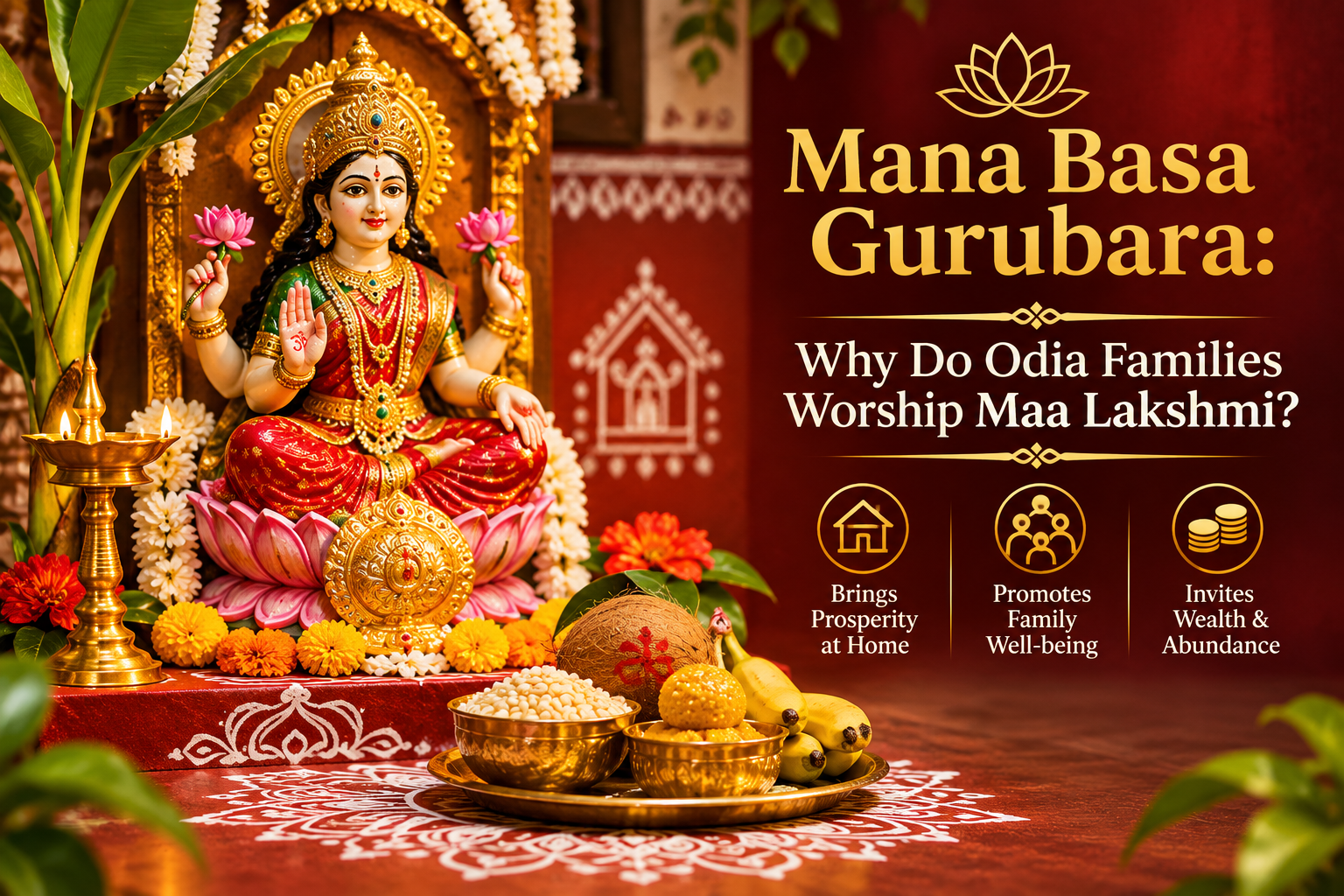
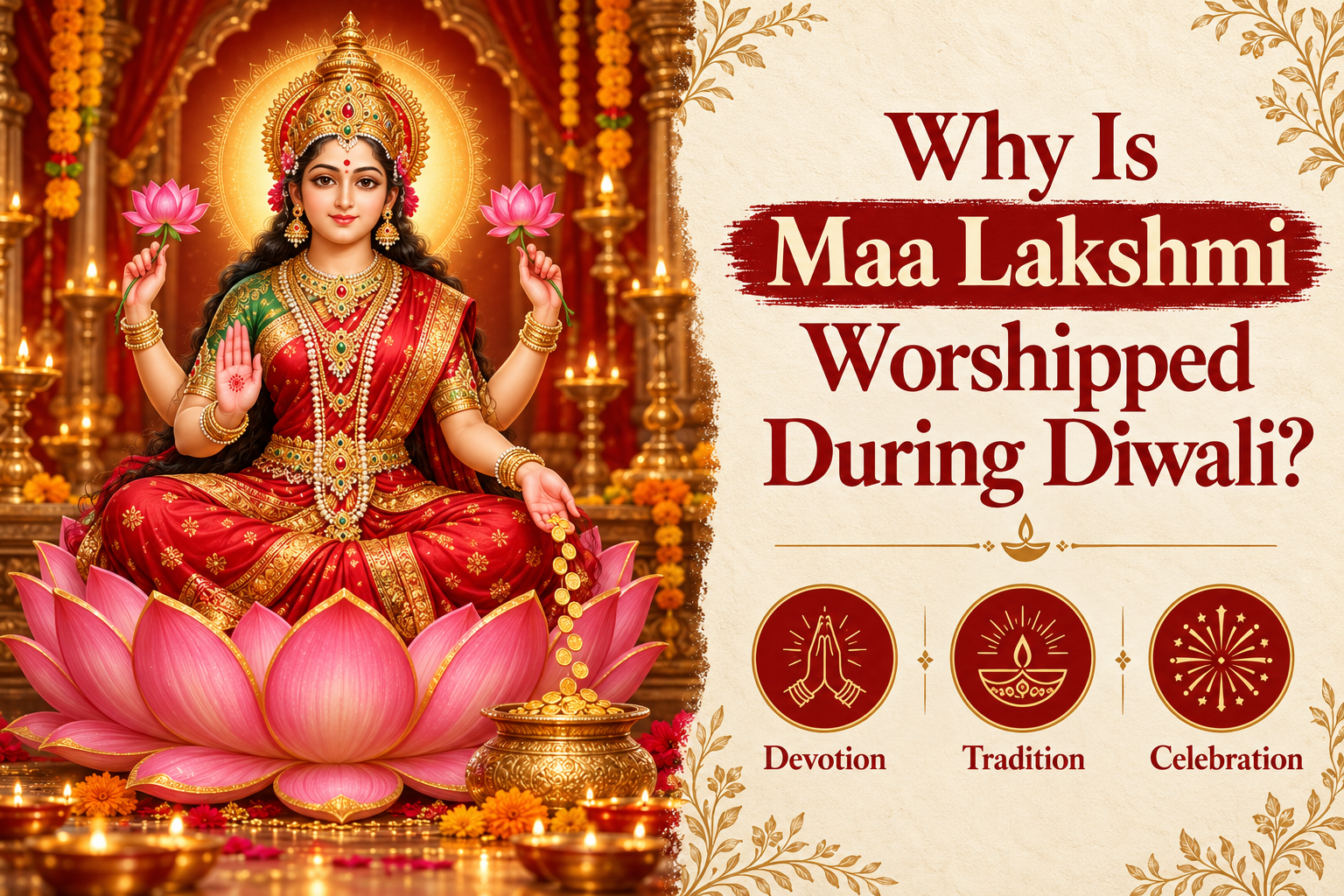
Maa Lakshmi is revered in Hinduism as the Goddess of wealth, prosperity, fortune, beauty, and auspiciousness. She is often depicted seated on a lotus, symbolising purity, spiritual growth, and the ability to remain graceful amid life’s challenges.
For devotees, prosperity means more than financial wealth. It can also represent good health, family harmony, wisdom, generosity, contentment, and opportunities for a better life.
Why Is Maa Lakshmi Worshipped During Diwali?
- To Welcome Prosperity and Good Fortune
One of the most widely followed Diwali traditions is worshipping Maa Lakshmi to seek blessings for prosperity and good fortune. Devotees pray for financial stability, success in their work, and the ability to support their families.
For business owners and traders, Diwali is also associated with new beginnings, fresh accounts, and hopes for a successful year ahead.
- To Invite Peace and Positivity into the Home
Before Diwali, families often clean and decorate their homes, light diyas, and create colourful rangoli designs. These preparations reflect the traditional belief that a clean, welcoming, and well-maintained home is an appropriate place for worship.
Lighting diyas also symbolises the victory of light over darkness and knowledge over ignorance.
- To Begin a New Chapter with Gratitude
Diwali is an opportunity to reflect on the past year and express gratitude for the blessings already received. During Lakshmi Puja, devotees may pray for wisdom, stability, and strength to face future challenges.
The occasion encourages people to approach new beginnings with hope, discipline, and a positive outlook.
- To Celebrate the Victory of Good over Evil
Diwali has several religious and regional traditions. In many parts of India, it celebrates Lord Rama’s return to Ayodhya after defeating Ravana. In other traditions, the festival is associated with different stories and devotional practices.
Maa Lakshmi Puja forms an important part of Diwali celebrations for many Hindu families, connecting the festival with prosperity, auspiciousness, and spiritual well-being.
- To Encourage Generosity and Responsible Prosperity
In Hindu tradition, wealth is often viewed alongside dharma, or righteous conduct. Prosperity is meaningful when it supports family responsibilities, compassion, charity, and the well-being of others.
Diwali can therefore be a reminder to use resources thoughtfully, help those in need, and celebrate success with humility.
Diwali Lakshmi Puja: Traditional Rituals and Preparations
Devotional practices vary between families and regions, but common preparations include:
- Cleaning the home: Tidying living spaces before the puja.
- Decorating with diyas: Lighting traditional oil lamps around the home.
- Creating rangoli: Decorating entrances with colourful designs.
- Preparing the puja area: Arranging images or idols of Maa Lakshmi and, in many households, Lord Ganesha.
- Offering flowers and sweets: Presenting traditional offerings according to family customs.
- Chanting prayers and mantras: Reciting devotional prayers with sincerity and focus.
- Sharing with others: Giving gifts, donating to charity, and sharing festive food with family and neighbours.
Follow your family tradition or consult a knowledgeable priest for specific puja procedures and timings.
Spiritual and Vastu Traditions Associated with Maa Lakshmi
Many households incorporate traditional devotional objects into their Diwali decorations. These may include a Lakshmi-Ganesha idol, a Shree Yantra, or other sacred symbols associated with prosperity and auspiciousness.
Shree Yantra
The Shree Yantra is a sacred geometric symbol in Hindu spiritual traditions and is associated with Sri Vidya worship and the divine feminine. Some devotees keep it in a clean prayer space as an expression of devotion and a reminder of spiritual discipline.
Lakshmi-Ganesha Idols
Maa Lakshmi is worshipped for prosperity, while Lord Ganesha is traditionally revered at the beginning of auspicious activities. Their worship together is common during Diwali in many regions.
Diyas and Traditional Decorations
Diyas, flowers, torans, and rangoli help create a festive atmosphere. Their significance is primarily devotional and cultural, representing light, welcome, purity, and celebration.
These objects are meaningful within religious traditions, but their presence should not be treated as a guarantee of financial success or material gains.
How Can You Celebrate Diwali in the Spirit of Maa Lakshmi?
You do not need expensive decorations or costly purchases to celebrate Diwali meaningfully. Consider these simple practices:
- Keep your home clean and welcoming.
- Perform Lakshmi Puja according to your family customs.
- Set thoughtful financial goals for the coming year.
- Share food, gifts, or donations with people in need.
- Avoid unnecessary spending and celebrate within your budget.
- Make time for gratitude, family, and reflection.
- The deeper message is to welcome prosperity while cultivating honesty, kindness, responsibility, and peace.
Conclusion
Maa Lakshmi is worshipped during Diwali because she represents prosperity, fortune, auspiciousness, and well-being in Hindu tradition. The ritual is not simply about seeking wealth; it also offers an opportunity to practise gratitude, welcome new beginnings, and reflect on how prosperity can be used responsibly.
As you celebrate Diwali, may the festival inspire light in your home, peace in your heart, and generosity in your actions.